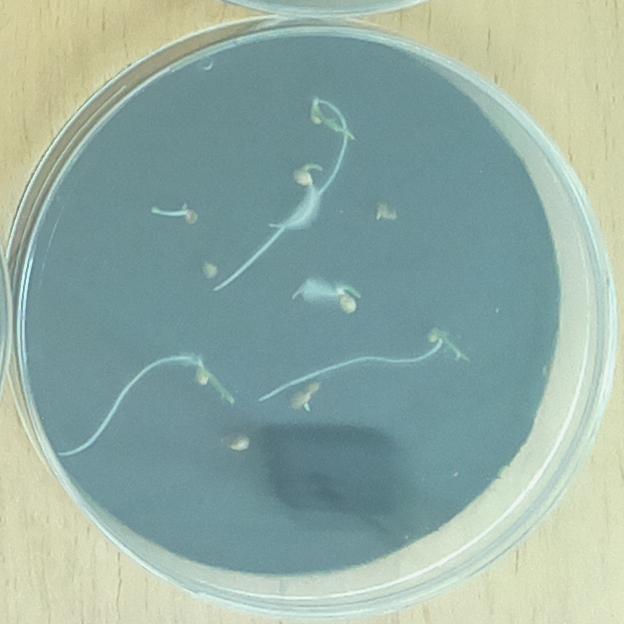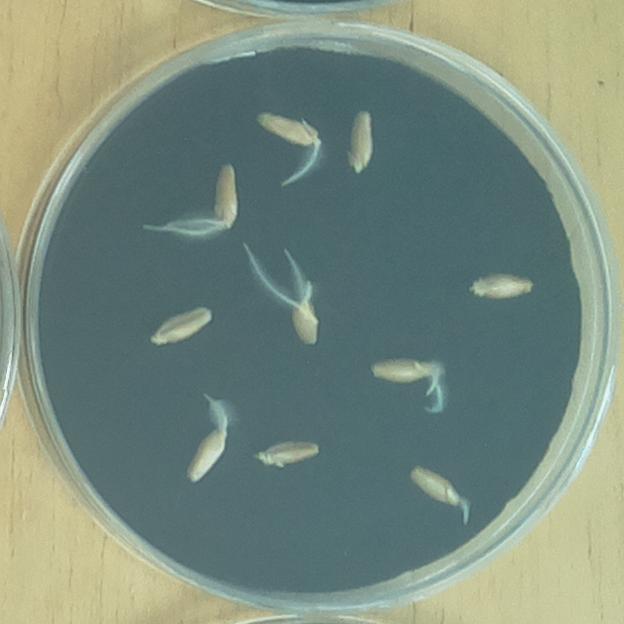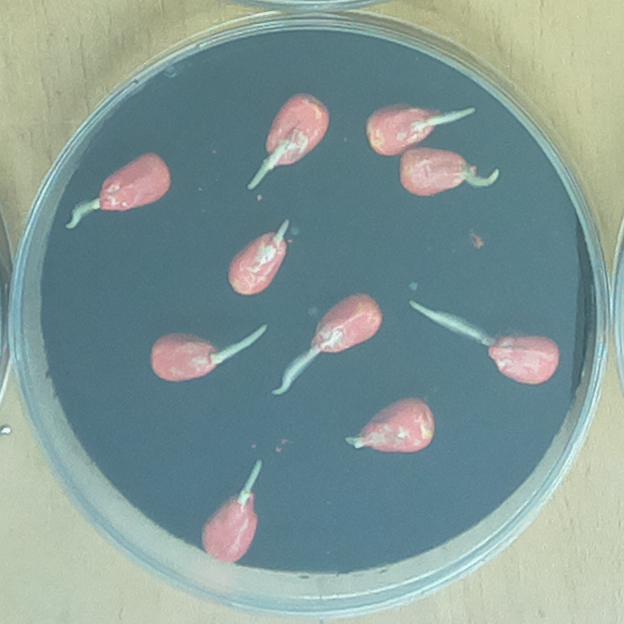
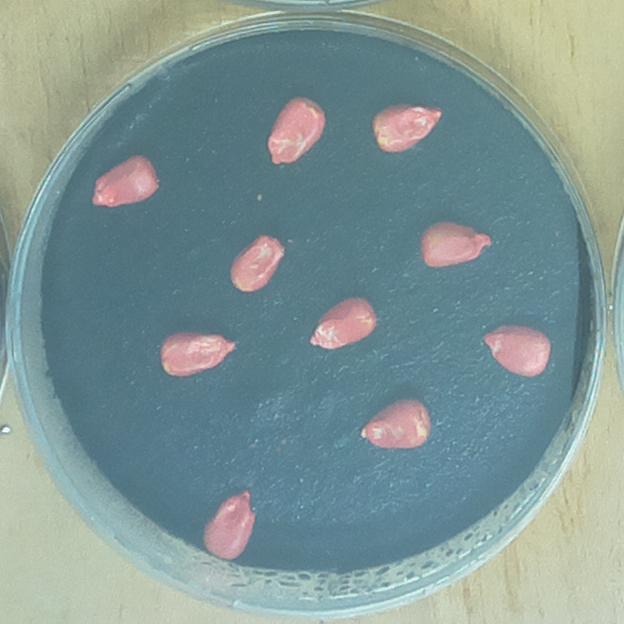
Set out your trays
Name the seed batch. Choose the crop. Set out the trays.
Photo from the germination dataset by Genze and Grimm (Mendeley Data, CC BY 4.0).
A 2020 report found that more than half of the crop seed sold in Nigeria was low quality, and some of it was fake.
Innovations for Poverty Action, citing AGRAIn 2025, onion farmers in Jigawa lost about ₦1bn to poor seed.
FreshPlazaA 2025 plan for Nigeria's seed sector says the country has no seed lab accredited by the International Seed Testing Association.
AGRA, Nigeria seed sector strategy and investment planPhoto from the germination dataset by Genze and Grimm (Mendeley Data, CC BY 4.0).
These trays come from a public research photo set. The people who made it are not SeedCadence customers and did not take part.
Photo from the germination dataset by Genze and Grimm (Mendeley Data, CC BY 4.0).
Know at once when a photo is not good enough to count.
Every seed on the tray is found and counted.
Each seed is marked sprouted or not sprouted.
When the app is not sure, it asks. It never guesses quietly.
A seed keeps its number from the first photo to the last.
See which seeds sprouted since the last photo.
A printed card that lines up every photo of a tray.
See how far a test of this size can be from the truth by chance.
A tray that differs from the others is pointed out.
A PDF and a CSV that never change after signing.
Every number leads back to its seeds, its photo and who decided.
A card to share after a Quick check.
MAIZE
seeds off in every 100, on an average photo
The worst photo was off by 30 in every 100.
95.7 in every 100 sprouted calls were right. 4.3 were wrong.
Sprouted, hour by hour. Solid: the app. Dashed: the labels.
MILLET
seeds off in every 100, on an average photo
The worst photo was off by 60 in every 100.
94.2 in every 100 sprouted calls were right. 5.8 were wrong.
Sprouted, hour by hour. Solid: the app. Dashed: the labels.
RYE
seeds off in every 100, on an average photo
The worst photo was off by 50 in every 100.
91.7 in every 100 sprouted calls were right. 8.3 were wrong.
Sprouted, hour by hour. Solid: the app. Dashed: the labels.
Maize
10 seeds, 5 photos
The app counted 10 sprouted. The research team's own labels say 10.
Mistakes: 1Asked about: 11
Millet
10 seeds, 5 photos
The app counted 8 sprouted. The research team's own labels say 9.
Mistakes: 13Asked about: 22
Rye
10 seeds, 5 photos
The app counted 10 sprouted. The research team's own labels say 10.
Mistakes: 3Asked about: 21
Photo from the germination dataset by Genze and Grimm (Mendeley Data, CC BY 4.0).
001 / 003
The app suggests. You decide. You can fix any seed.
How SeedCadence works
On each photo day of a test, to count faster and keep a signed record.
Before a seed batch is sold, in their own quality room.
When new stock arrives, to test it and show buyers the result.
Before seed is shared out to members.
A few days before planting, with a wet cloth and a phone.
These are trial prices in naira. Each plan is for one month.
Lab
₦30,000 a month
about $22
Company
₦90,000 a month
about $67
Group or programme
₦60,000 a month
about $44
Seller
₦5,000 a month
about $4
Farmer
Free
A Quick check is one photo and one answer. A tray is one set of seeds followed across its photo days.
No. This report counts seeds with a root showing. It is for your own quality checks. It is not a germination certificate.
A seed has sprouted when you can see a small root coming out.
Maize, millet and rye, on photos from a public research set. See the results page for every number, with the mistakes.
The app counts them and tells you: We have not tested this seed yet. Please check the count. You can fix any seed.
Tap the seed and fix it. The app keeps both what it said and what you decided.
No. A fix after signing makes a new version and keeps the old one.
Only the people in your own workspace.
Never, unless you agree in writing.
A phone with a browser. For Lab tracking, a printer for the tray cards.
We delete this photo after 24 hours.
Photo from the germination dataset by Genze and Grimm (Mendeley Data, CC BY 4.0).